

Brief History of Backhoes
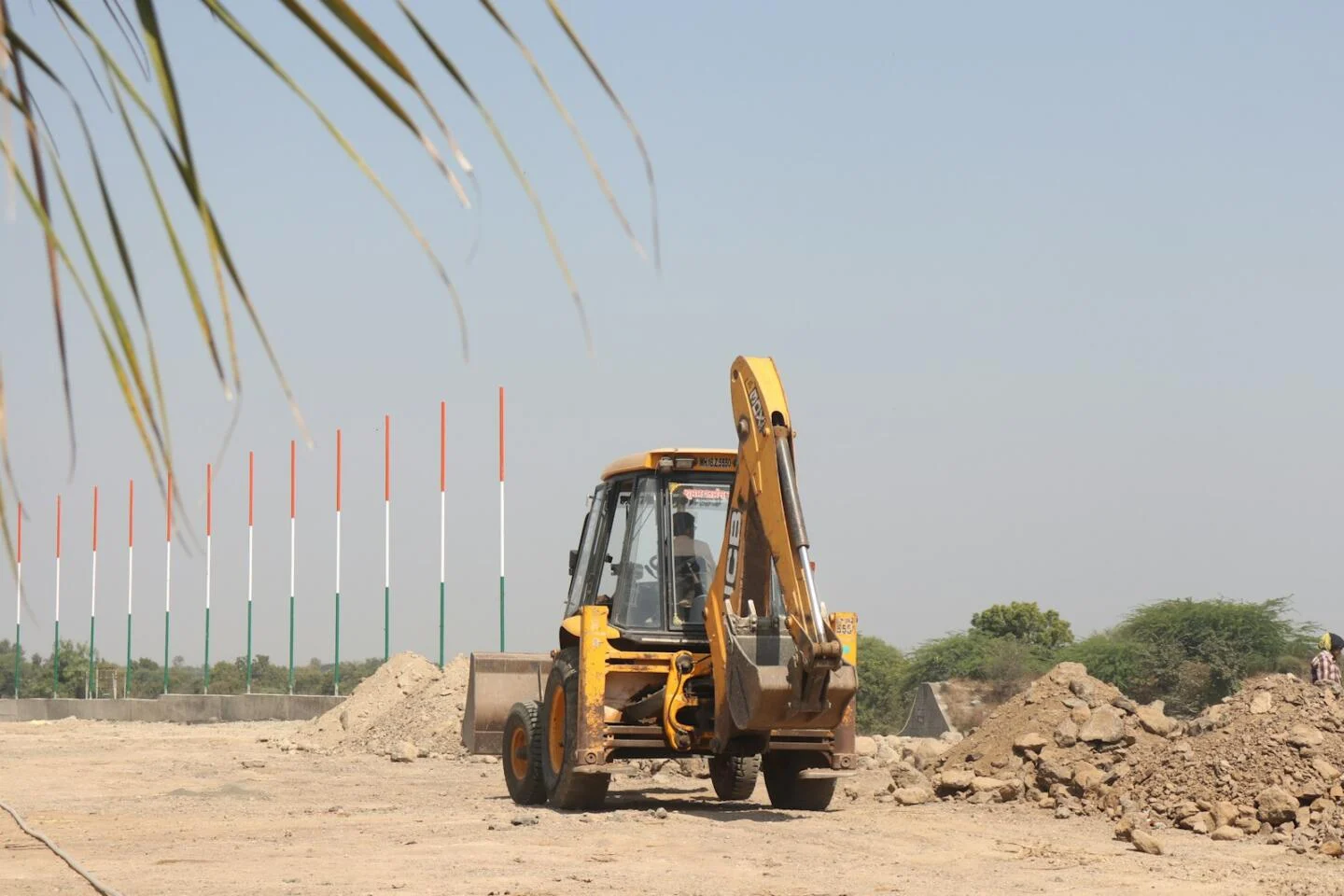
The backhoe loader was first developed in the 1950s by JCB in the UK, combining a front loader with a rear excavator for increased versatility in construction. Actually the real development of the backhoe loader began in 1947 by the inventors who founded the Wain-Roy Corporation in Hubbardston, Massachusetts. In 1947, the Wain-Roy Corporation developed and tested the first real backhoe loaders. In April 1948, the Wain-Roy Corporation sold the first fully hydraulic backhoe loaders, mounted on a Ford Model 8N tractor, to the Connecticut Light and Power Company. In 1957 CASE introduced the first integrated backhoe loader, revolutionizing construction and agriculture. Backhoes quickly became essential for their versatility, combining a front loader and rear digging arm in one compact machine.
Types of Backhoes
The main feature that distinguishes it from other earth-moving machines is the combined presence of the loader at the front (borrowed from the loader, from which it retains the general vehicle layout) and the excavator arm at the rear. Below is a detailed breakdown of the different excavator types:
Standard Backhoe Loaders
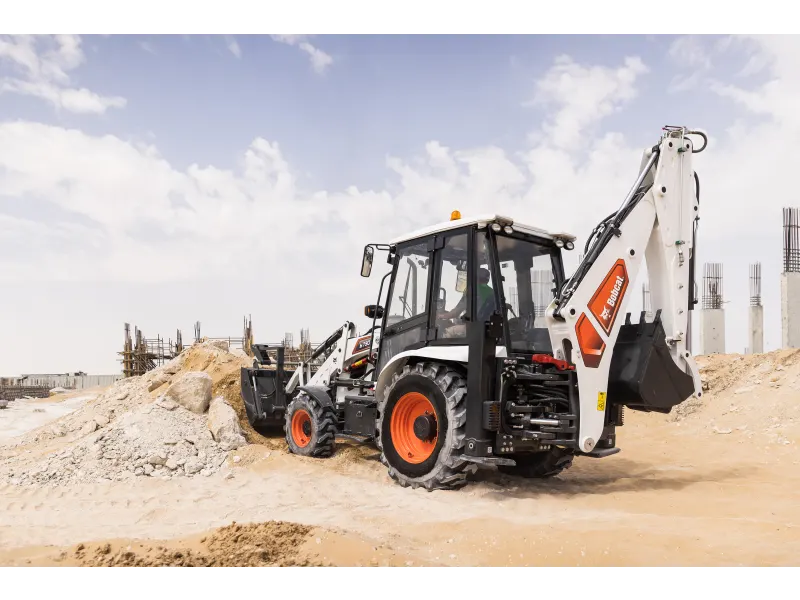
Tractor-like machine with a loader in front and a digging arm in the back. It is the most common type, great for small to mid-scale excavation.
- Key Characteristics:
- Combination of Equipment – The backhoe loader combines a front loader, used for lifting and moving materials, and a backhoe (or excavator arm), used for digging.
- Hydraulic System – The primary feature of the backhoe loader is its powerful hydraulic system, which controls the movement of the front bucket and the backhoe arm.
- Articulated Steering – Most backhoe loaders are equipped with articulated steering, meaning the front and rear parts of the machine are connected by a joint, allowing for tighter turning radii and greater maneuverability in confined spaces.
- Four-Wheel Drive (4WD) – Many backhoe loaders come with four-wheel drive to improve their traction and mobility on rough or uneven terrain.
-
- Versatility – In addition to the loader bucket and backhoe, backhoe loaders can often be fitted with other attachments, like breaker, auger or grapple for specialized tasks.
- Typical Applications:
- Construction – Digging foundations, trenching, and excavation
- Road Maintenance – Pothole filling, trenching for utility repairs, or clearing debris
- Landscaping – Digging, grading, and moving large quantities of soil or gravel
- Agriculture – Digging drainage ditches, trenching for irrigation, and moving soil or feed
- Utility and Pipeline Work – Installation, maintenance, and repair of utilities such as water, gas, or sewage pipelines
- Demolition – Light demolition work due to their powerful hydraulics and ability to lift and move materials such as rubble, debris, or concrete blocks.
Mini or Compact Backhoes

Mini or compact backhoes emerged as a response to the need for smaller, more maneuverable equipment in the construction and landscaping industries. These compact versions of traditional backhoe loaders provided a solution to working in tight, congested areas where full-sized machinery would be impractical. These machines became particularly popular for urban construction, residential landscaping, utility maintenance, and other applications where space was limited. Over time, mini backhoes have continued to evolve, featuring improved hydraulic systems, more powerful engines, and better fuel efficiency, making them even more suitable for diverse tasks in tight quarters.
- Key Characteristics:
- Smaller Size – Mini backhoes are more compact, allowing them to work in confined spaces where larger machines can’t operate.
- Versatile Attachments – Like full-sized backhoes, they can be fitted with various attachments such as augers, breakers, and buckets for different tasks.
- Hydraulic System – Mini backhoes are equipped with a powerful hydraulic system for efficient digging and lifting tasks.
-
- Maneuverability – Due to their smaller size and sometimes zero-turn capabilities, they are highly maneuverable in tight spaces.
- Four-Wheel Drive – Many models offer 4WD for better traction on uneven surfaces.
- Typical Applications:
- Landscaping – Ideal for digging and grading in small or residential areas.
- Construction – Used in urban environments for trenching and small excavation projects.
- Agriculture – Helpful for light digging, trenching, and moving materials on smaller farms.
- Utility Work – Often used for installing and repairing pipelines or cables in narrow areas.
Articulated Backhoe Loader
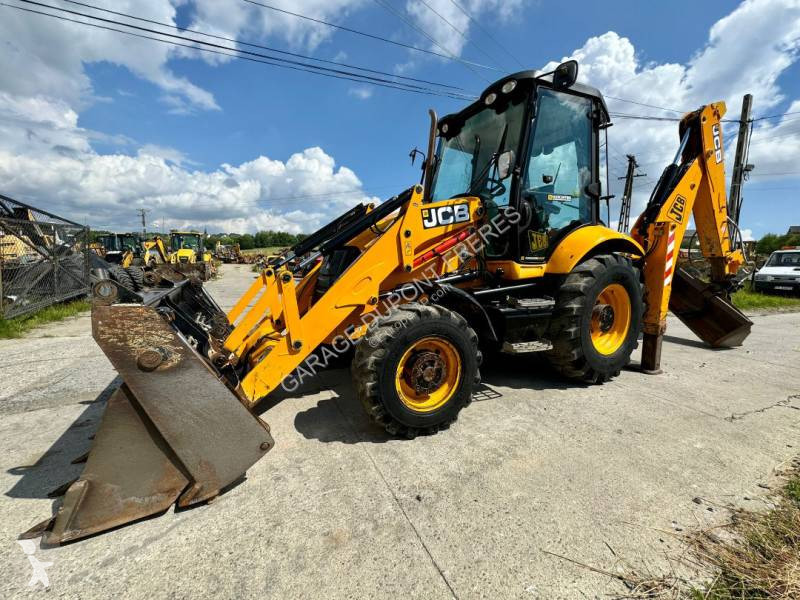
An articulated backhoe loader is a highly adaptable and compact construction machine that integrates a front loader and rear excavator on an articulated chassis. Unlike conventional backhoe loaders with a rigid frame, the articulated design allows the machine to bend at a central pivot point, enabling the front and rear sections to move independently. This gives the machine superior maneuverability and makes it particularly well-suited for working in tight, congested, or uneven environments.
These machines are engineered to deliver full-scale functionality in a smaller footprint, combining the roles of a loader, excavator, and often even a mini-dozer in one unit. The front loader is typically used for tasks like material handling, backfilling, and light grading, while the rear-mounted backhoe excels in trenching, digging, and lifting operations. Some models also allow for a wide range of attachments, increasing their versatility across different job sites.
- Key Characteristics:
- Articulated Steering System – Provides a tight turning radius and better control when navigating confined areas, such as urban construction zones or narrow access roads.
- Dual-Purpose Capability – A loader bucket in the front and a backhoe at the rear support a variety of earthmoving and excavation tasks without the need to switch machines.
- Stability and Terrain Handling – Articulated design enhances weight distribution and traction on uneven, sloped, or soft ground.
- Compact but Powerful – Delivers strong digging and loading performance while maintaining a smaller footprint than full-sized backhoes or wheel loaders.
- Operator-Centric Features – Many models offer comfort-focused cabs with features like a swiveling seat, joystick controls, and good all-around visibility for efficient operation.
- Typical Applications:
- Urban and Residential Construction – Maneuvers easily in restricted spaces, making it ideal for city projects.
- Utility Installation – Commonly used for laying water, gas, sewage, or fiber-optic lines where precise trenching is required.
- Road and Sidewalk Maintenance – Efficient for patching, grading, and debris removal in municipalities.
- Railway Infrastructure – Some specialized models (e.g., rail-road variants) are equipped for work on or near rail tracks.
- Forestry and Agriculture – Compact enough for trail maintenance or trenching in forested or farmed areas.
Extendable Backhoes (Extendahoes)

Useful for deeper utility or drainage work. Extendable backhoes, or “Extendahoes,” are backhoe loaders equipped with a hydraulically extendable boom. This feature allows the digging arm to extend and increase the machine’s reach and depth without the need for larger, bulkier equipment. Despite the extended boom, the machine remains compact, making it highly maneuverable in tight spaces.
Over time, extendable backhoes became highly popular in industries that require more reach and versatility, such as construction, utilities, and excavation, where tasks often involve digging in deep trenches or hard-to-reach areas. The extendable arm made them more productive on the job site, reducing the need for additional machinery or labor.
- Key Characteristics:
- Extendable Boom – The primary feature is the hydraulically extendable boom, increasing digging reach and depth.
- Compact Size – Despite the extended reach, the machine remains small and maneuverable in tight spaces.
- Hydraulic Power – The extendable boom is powered by the machine’s hydraulic system for precise control.
-
- Versatility – Extendahoes can use various attachments, making them adaptable to different tasks.
- Stability – Outriggers or stabilizers are often used to ensure the machine remains stable when the boom is extended.
- Increased Reach – The extended boom allows the backhoe to dig deeper and farther without moving the machine.
- Typical Applications:
- Construction – Ideal for deep trenching and excavation in tight spaces.
- Utility Work – Perfect for digging trenches for utilities like water, gas, or electrical lines.
- Landscaping – Useful for grading and digging in hard-to-reach areas.
- Agriculture – Common for irrigation trenching and digging in larger fields.
- Demolition – Extends reach for clearing debris without frequent repositioning.
- Municipal Work – Used for tasks like stormwater drainage and infrastructure work.
Side-Shift Backhoes
Side-shift backhoes are backhoe loaders designed with the ability to move the digging arm (or backhoe) from side to side along the chassis. This feature allows for greater flexibility and precision when digging in tight or confined spaces. The side-shift mechanism enables the operator to shift the arm laterally, making it easier to dig near walls, foundations, or other obstacles without repositioning the machine. Common in Europe, especially in urban or trenching jobs.
Side-shift backhoes are versatile machines with the ability to move the backhoe arm laterally, allowing for more precise digging in confined spaces. Their compact design and hydraulic side-shift feature make them especially useful in urban construction, utility work, landscaping, and demolition, where space is limited, and maneuverability is key.
- Key Characteristics:
- Side-Sliding Arm – The backhoe arm can slide left or right, allowing the operator to reach areas that would be difficult to access with a traditional backhoe.
- Enhanced Precision – This feature helps in making precise adjustments when digging near structures, fences, or in narrow spaces, reducing the need to reposition the entire machine.
- Compact and Maneuverable – Side-shift backhoes retain the compact size and maneuverability of traditional backhoes, but with added flexibility for working in confined or restricted spaces.
- Hydraulic System – The side-shift function is controlled hydraulically, allowing for smooth, easy lateral movement of the arm.
- Operator Control – The operator can adjust the side-shift mechanism with simple controls, allowing for quick and efficient operation.
- Typical Applications:
- Urban and Residential Construction – Digging near buildings, fences, or other structures, where space is tight and repositioning would be difficult.
- Utility Installation – Installing or maintaining underground utilities like water, gas, or electrical lines, especially in areas with limited space.
- Road and Pavement Work – In road construction or maintenance, side-shift backhoes can dig along curbs, sidewalks, or walls without moving the machine.
- Landscaping – Digging near existing landscaping, trees, or buildings.
- Demolition – Light demolition in tight spots where full-sized machines may not fit.
Center-Mount (Fixed) Backhoes

Center-mount (fixed) backhoes are a type of backhoe loader where the backhoe arm is fixed at the center of the machine’s chassis, providing stability and balance. The arm does not pivot or slide like in side-shift models, making it ideal for general excavation tasks where precise lateral movement is less critical. The center-mount design ensures optimal weight distribution and makes the machine more stable, especially during heavy digging or lifting tasks.
Center-mount (fixed) backhoes are stable, reliable machines with the backhoe arm fixed at the center of the chassis. This design makes them ideal for general excavation and construction tasks, providing strong digging capabilities and stability during heavy lifting. However, they are less suited for tight spaces compared to side-shift models. They remain a staple in industries like construction, agriculture, and utilities due to their simplicity and efficiency. Common in North America, more stable for heavy digging.
- Key Characteristics:
- Fixed Position Backhoe – The backhoe arm is mounted at the center of the machine, offering stability and efficient digging power. It does not slide or pivot like side-shift backhoes.
- Stability – The center-mount design offers better balance, particularly when the backhoe is fully extended, providing more stability during digging and lifting operations.
- Hydraulic Control – Like other backhoes, center-mount backhoes use hydraulic systems for controlling the arm, dipper, and bucket, allowing for precise movement and control during excavation.
- Simple Design – These machines tend to have a more straightforward design compared to side-shift or extendable backhoes, making them easier to operate and maintain.
- Versatile Applications – Suitable for a wide range of tasks like digging, trenching, and material handling, though they are generally less effective in tight spaces compared to side-shift models.
- Typical Applications:
- General Excavation – Standard excavation tasks such as digging foundations, trenches, or clearing debris.
- Construction – Ideal for large-scale construction projects like roadwork or building foundations, where deep digging and lifting are required.
- Agricultural Work – Digging irrigation ditches, trenching for irrigation lines, or moving soil and other materials.
- Utility Maintenance – General utility installation, such as digging trenches for water, gas, or electrical lines.
- Landscaping – Landscaping jobs requiring deep trenching or earth-moving tasks.
Main Models from Leading Manufacturers
Some of the most recognized global backhoe manufacturers and their flagship models include:
- Caterpillar (CAT) CAT 420F2, 440

- JCB 3CX, JCB 4CX

- Case 580N, 590SN
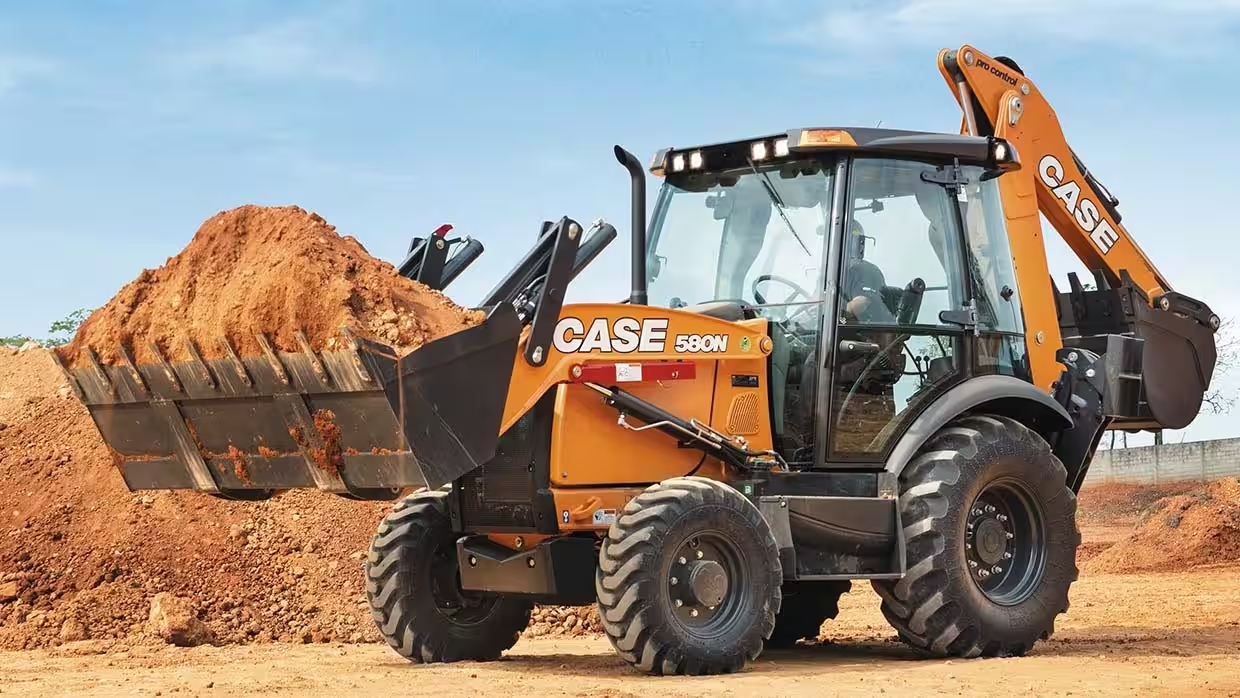
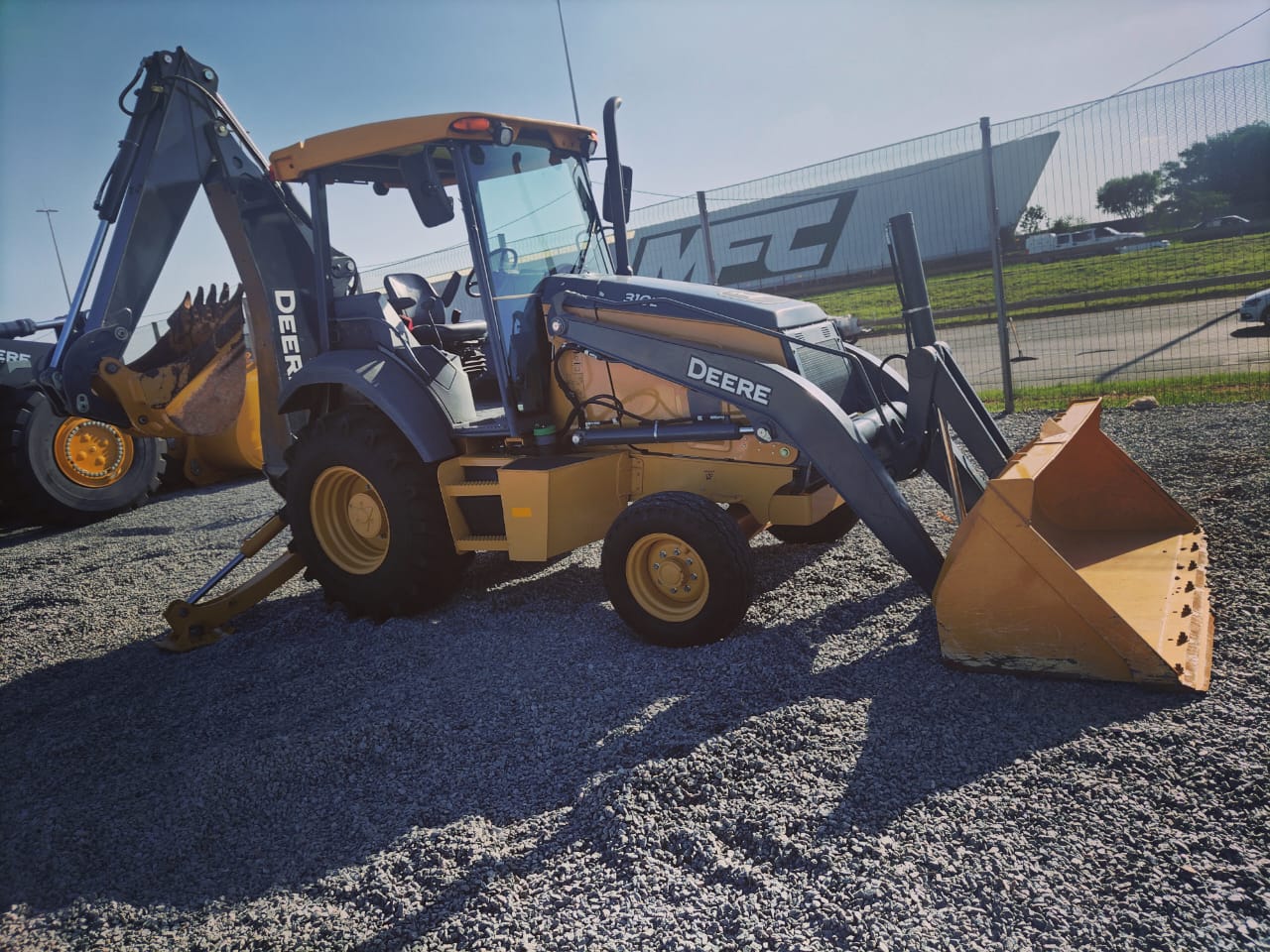
- John Deere 310L, 315SL
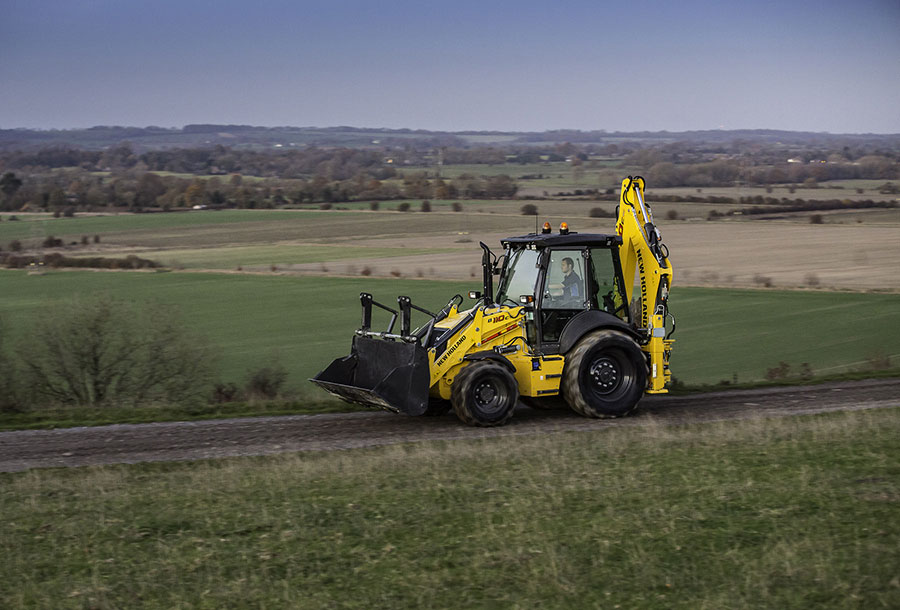
- New Holland B95C, B110C
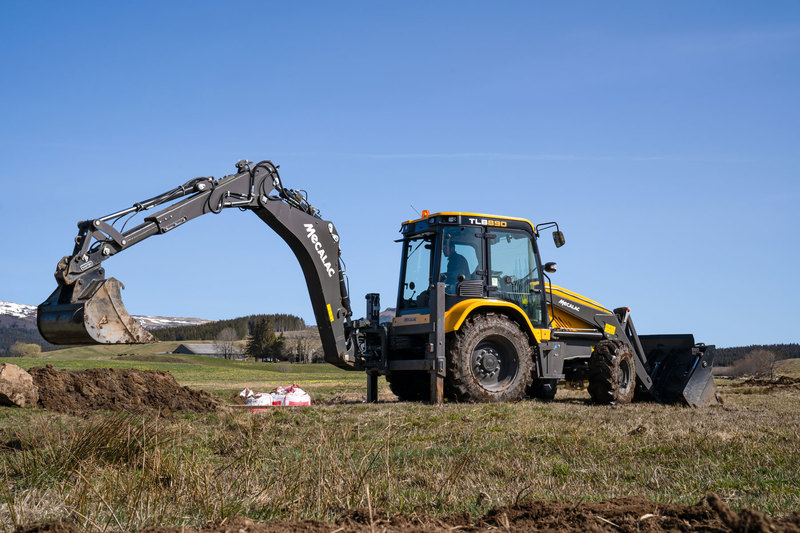
- Terex (now Mecalac) TLB840, TLB890
Main Uses of Backhoes
Backhoes are incredibly versatile and used across industries:
- Construction: Excavating foundations, trenching, grading and backfilling.
- Agriculture: Digging irrigation systems, cleaning ditches, land clearing.
- Utilities: Installing pipes, cable laying, pole planting.
- Landscaping: Moving soil, tree planting, small demolitions.
- Municipal Work: Road repair, snow removal, drainage installation.
The backhoe loader is a very versatile vehicle because it combines the bucket and the excavator, which are the two most practical, and therefore most important, tools for earthmoving; all in a small and particularly agile vehicle, especially if articulated. These characteristics make it one of the most popular construction vehicles.
In Summary
Backhoe loaders remain one of the most versatile and cost-effective machines in construction and agriculture. Combining the capabilities of a loader and an excavator in a single unit, they offer unmatched flexibility for digging, loading, trenching, and material handling. Ideal for small to mid-scale projects, utility work, and rural development, backhoe loaders continue to be a go-to solution for contractors and municipalities seeking performance, mobility, and all-in-one functionality on the job site.
 Copyright 2017-2025 All rights reserved.